Spotting trouble before it leaks
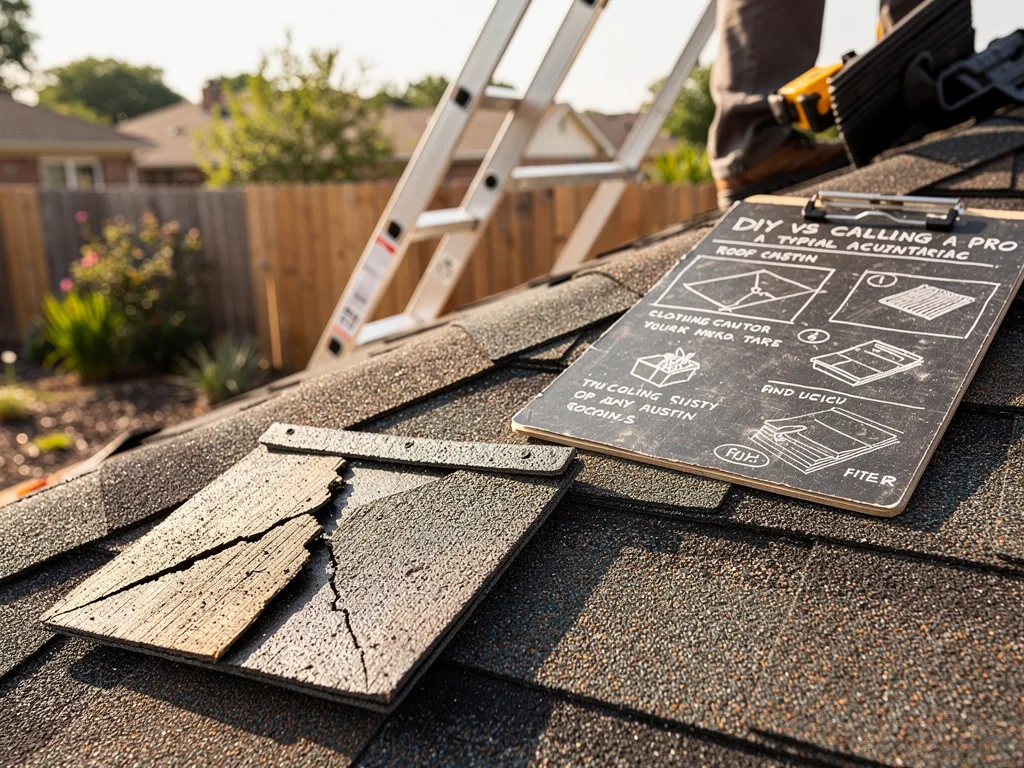
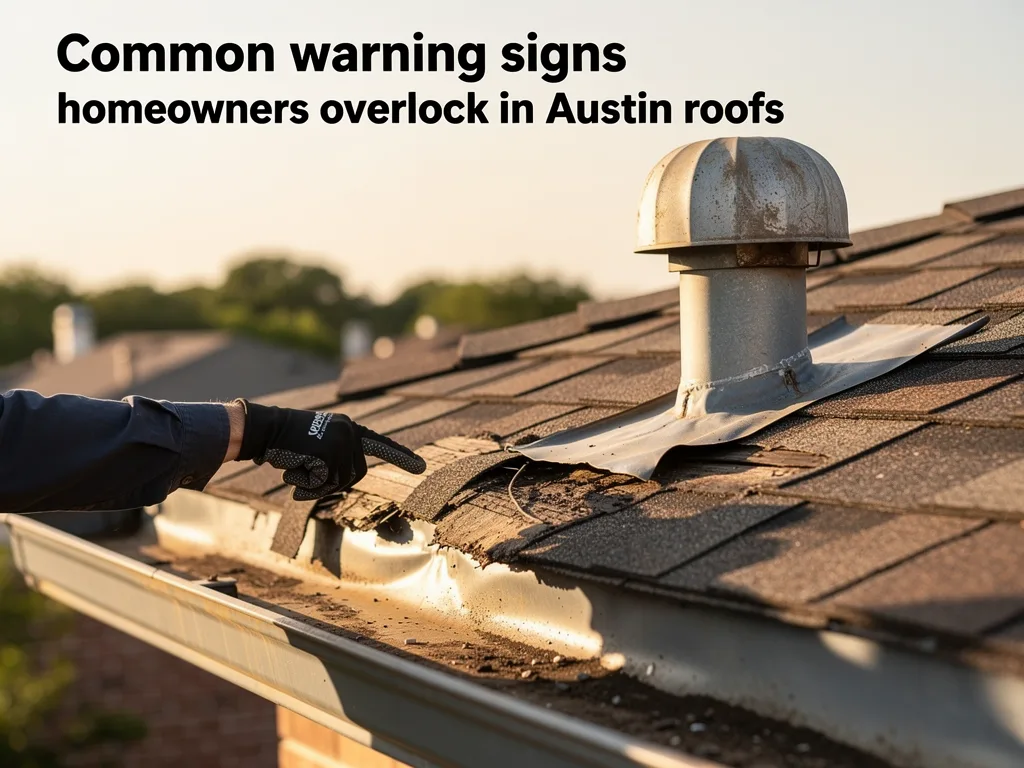
Austin roofs face heat, hail, and sudden downpours. A couple of warning signs show up regularly and they don’t always scream for attention. The first is missing or curling shingles. If you see edges lifting after a windstorm, that’s a sign the underlayment could be exposed. The second tell is granules in the gutters. A quick grab-and-go handful of shingles shedding granules means the shingles are aging and losing solar protection.
Another quiet signal is attic warmth or visible daylight through the roof deck. In an Austin home, if you feel a hot attic on a sunny day or see daylight between the rafters from your attic hatch, it’s time to have a roofer take a closer look. These clues aren’t always dramatic; they show up gradually as the roof ages and the sun wears down materials.
Why these signs matter in Austin weather
Austin humidity and storms push roofs hard. Heat accelerates wear, and hail can compromise shingle integrity even when damage isn’t obvious from the ground. When the roof’s protective layers thin, leaks find their way in during spring rains or summer thunderstorms. Don’t wait for a drip to show up in your ceiling; address early warning signs before they become bigger problems.
Our crew at Roofers Austin Texas Co takes these indicators seriously. We’re looking for compromised underlayment, damaged flashing, and soft spots on the decking. If you’ve noticed granules, curling shingles, or strange attic heat, give us a call for a no-pressure inspection and a straight plan for next steps.
What you can do now
Walk the exterior and note shingles that are missing or cracked after a storm. Check gutters for a higher-than-usual amount of shingle grit. In the attic, look for daylight or moisture staining near the rafters. These quick checks don’t replace a full inspection, but they help you decide when to call a roofer.
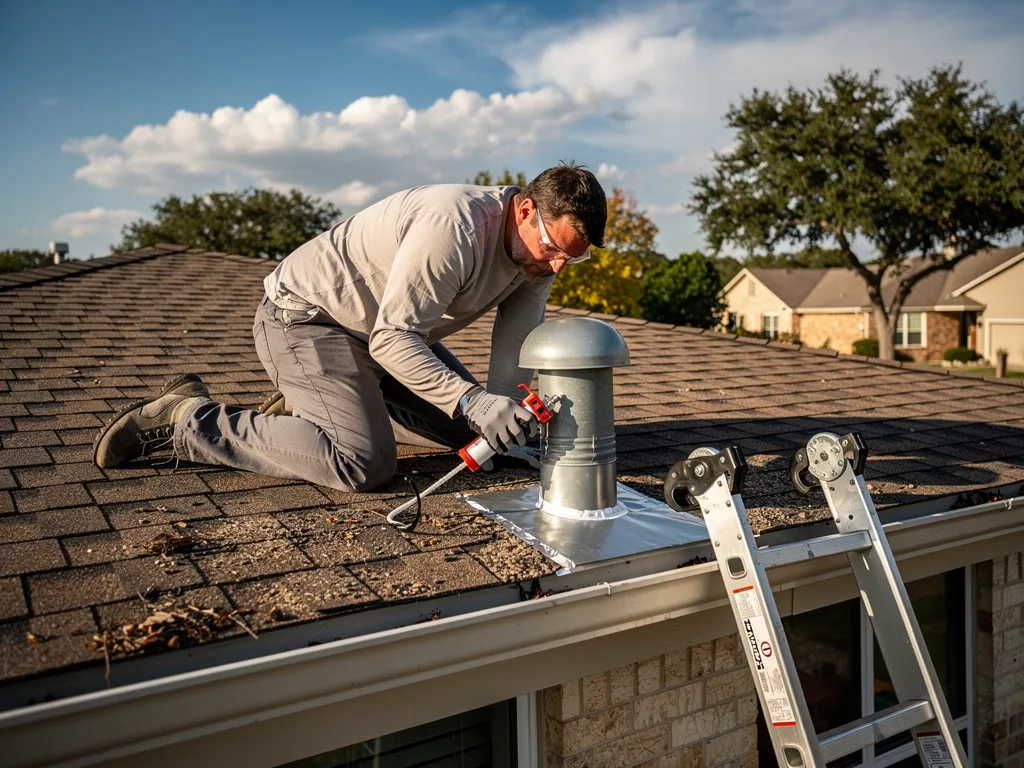
Keep a simple maintenance routine. Sweep debris from the roof after major storms, keep trees trimmed away from the eaves, and ensure attic vents aren’t blocked. Small, regular maintenance keeps problems from piling up and helps your roof last longer.